The Skottle vs. The Stick: The Absurd Reality of Modern Camp Cooking
A Study in Extremes
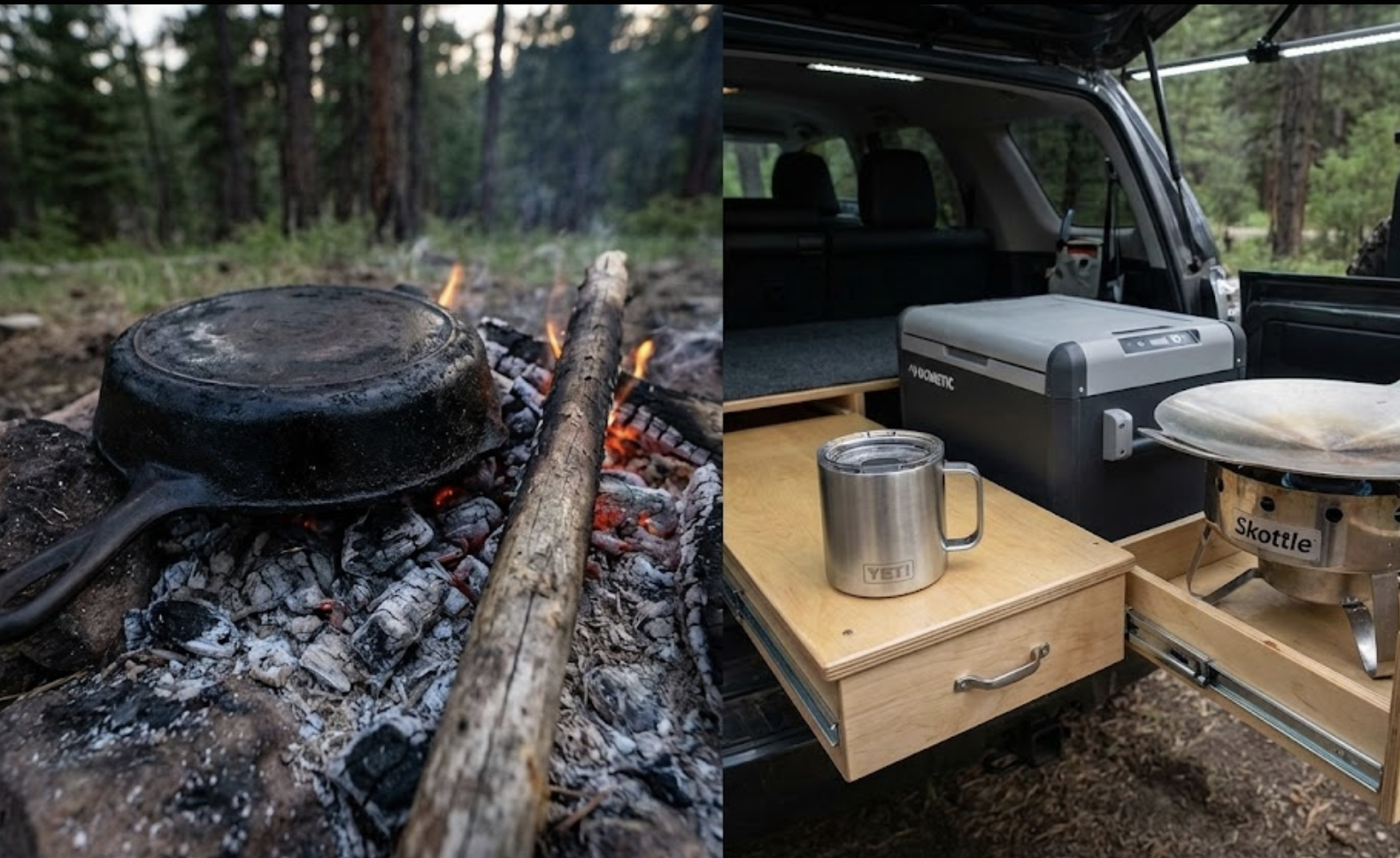
Somewhere in the High Sierras, a man sits alone on a cold granite slab. He is huddled over a pouch of something that claims to be "Beef Stroganoff," though it shares more DNA with salty drywall spackle than it does with a cow. He is eating it with a long-handle ti spork—the utensil of surrender—scraping the corners of a Mylar bag, just looking for enough calories to fuel the next ten miles. It is a meal of necessity, stripped of joy, consumed in the fading light. It is honest. It is miserable.
Cut to a plateau three miles east. A rig that looks capable of invading Mars is leveled out on hydraulic jacks. The low, electric hum of a Dometic 12V dual-zone fridge competes with the crickets. A guy in a pristine flannel shirt reaches into the chilled abyss and pulls out not a hot dog, but a live Maine lobster. He throws it onto a sizzling Skottle, deglazing the pan with a Sauvignon Blanc that breathes better than the hiker does.
This is the current state of our camp cooking evolution. We are witnessing a schism in the wild. On one side, the ascetics, treating food as mere fuel. On the other, the gourmands, who treat the forest as an open-air stage for their culinary ego.
The camping gear trends of the last decade have exploded into a multi-billion dollar arms race, convincing us that we cannot possibly survive a night under the stars without a portable pizza oven and a personal-sized blender. But does a $500 cooler actually make the beer taste better? Or have we just dragged the neuroticism of our home kitchens into the one place we went to escape them?
The Pivot: Philosophy Aside
Okay, let’s cut the poetry. If you are reading this, you probably aren't hiking the PCT with a spork, but you also (hopefully) don’t want to spend three hours washing dishes in the dark while bears eye your leftovers.
You want a steak that doesn’t taste like propane, coffee that actually wakes you up, and a setup that doesn't require a degree in logistics to deploy. To get there, we have to find the sweet spot between "starving artist" and "glamping chef."
What We Are Breaking Down
In this guide, we are dismantling the modern overland kitchen to find what actually works. Here is the menu:
The Heat Source: Why two burners are better than one (and when you only need fire).
Cold Storage: The hard truth about coolers vs. 12V fridges.
Prep Surfaces: Why your tailgate is the worst place to chop an onion.
The "Must-Have" Gadgets: Which ones are essential and which are just expensive paperweights.
The Minimalist Approach: Efficiency (and Suffering)
There is a tribe of people out there who believe that comfort is a sin and flavor is extra weight. For the ultralight backpacker, the philosophy is simple, brutal, and efficient: You eat to walk. You do not walk to eat.
In this world, caloric density is the only god. If it doesn’t pack 120 calories per ounce, it doesn’t make the cut. This is a sector of camp cooking defined by subtraction. You aren’t cooking; you are refueling a machine. And like any machine, the inputs are industrial, flavorless, and purely functional.
The Gear: Tools of the Ascetic
The kitchen of the minimalist fits inside a coffee mug. There is no romance here, only physics.
The Canister Stove: You’ll see the Fire Maple—think jetboil flash but at a price that I can gift one to a friend—or the MSR PocketRocket screaming like a jet engine at 6:00 AM. These aren't stoves; they are water heaters. They have two settings: "off" and "incinerate." You don’t simmer a sauce on these; you boil water to resurrect the dead food in your bag.
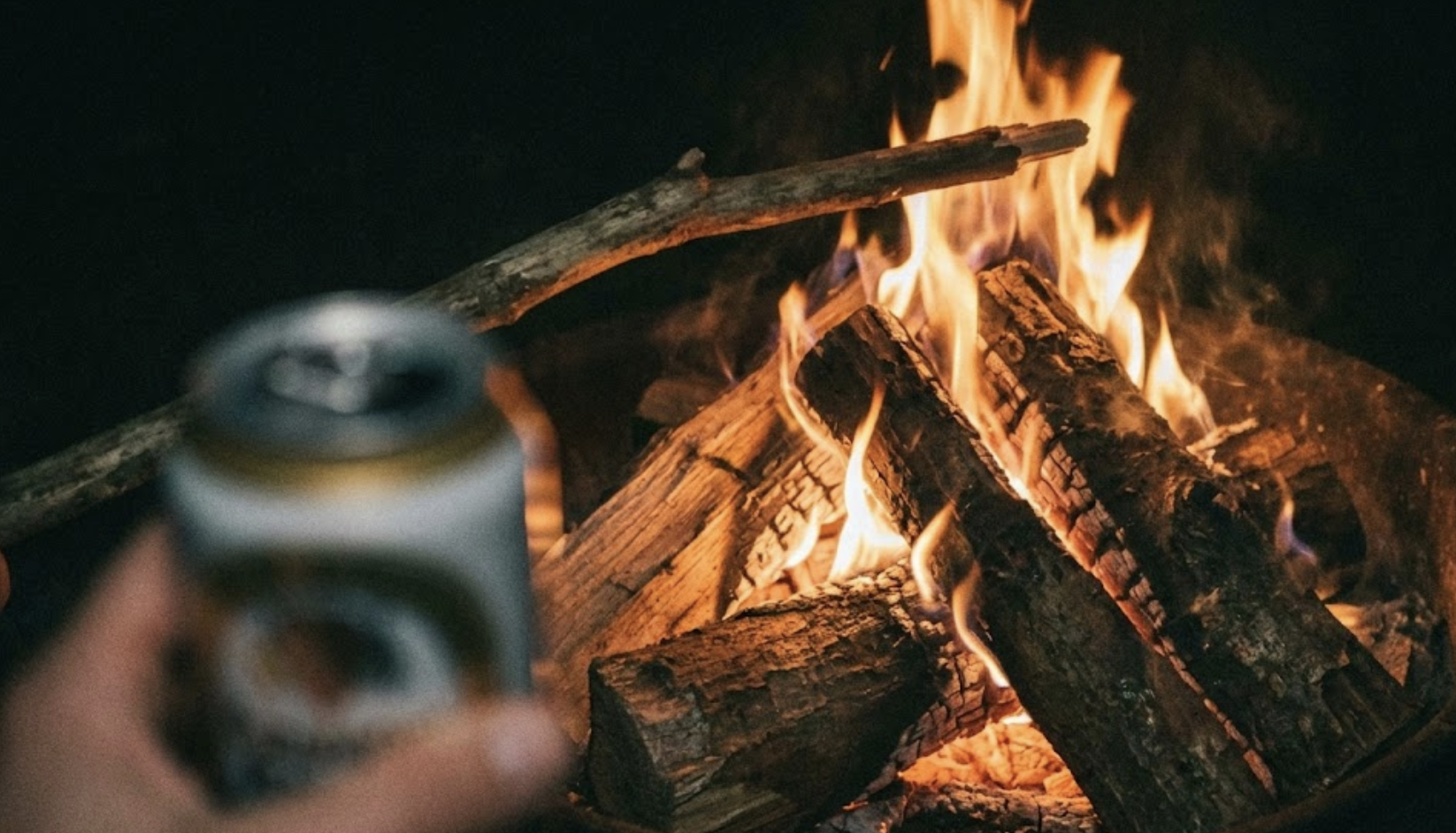
The Foil Packet: For those bold enough to cook over actual wood, there is the "hobo packet." It’s the original "set it and forget it" method. The result is always a culinary Russian Roulette where the potatoes are raw, the onions are burnt to carbon, and the hamburger meat is somehow both.
The Spork: The only utensil allowed. It is a spoon that leaks and a fork that can’t stab. It is a compromise that pleases no one—a plastic symbol of the minimalist’s willingness to suffer for the sake of shedding a few grams.
The Menu: Sodium and Sadness
If you want to understand the soul of the ultralight cooking movement, you have to look at the menu. It is a parade of beige.
Freeze-Dried Meals: Brands like Mountain House and Peak Refuel rule this space. You tear open the bag, pour in the boiling water, seal it, and wait ten minutes for the alchemy to happen. You are essentially eating hot, salty wet cement. It keeps you alive, sure. But does it make you feel alive?
The Ramen Bomb: This is where desperation meets ingenuity. Instant ramen mixed with instant mashed potatoes. It is a carbohydrate grenade designed to sit heavy in the gut. It is not food; it is insulation.
Instant Coffee: The final insult. No grinders, no French press. Just a packet of brown dust that tastes faintly of burnt hazelnuts and regret.
The Verdict
Is this purity? Perhaps. There is something noble about stripping life down to the essentials, about carrying everything you need on your back.
But let’s be honest: this isn't dining. This is survival.
When you are eating a Ramen Bomb with a plastic spork in the rain, you aren't communing with nature. You're just waiting for the calories to kick in so you can go back to sleep. For the overlander with a vehicle capable of carrying a real stove, choosing this method is a form of self-flagellation.
The Maximalist Approach: The Rise of the Backcountry Michelin Star
If the previous section was about suffering for the sake of simplicity, this section is about suffering for the sake of complexity.
We have all seen them rolling into camp. The suspension is groaning under the weight. The roof rack is reaching for the heavens. They are the Overlanders. And while it is easy to poke fun at the idea of bringing a ceramic burr coffee grinder into the wilderness, I have a confession to make: I am jealous of their ice cream.
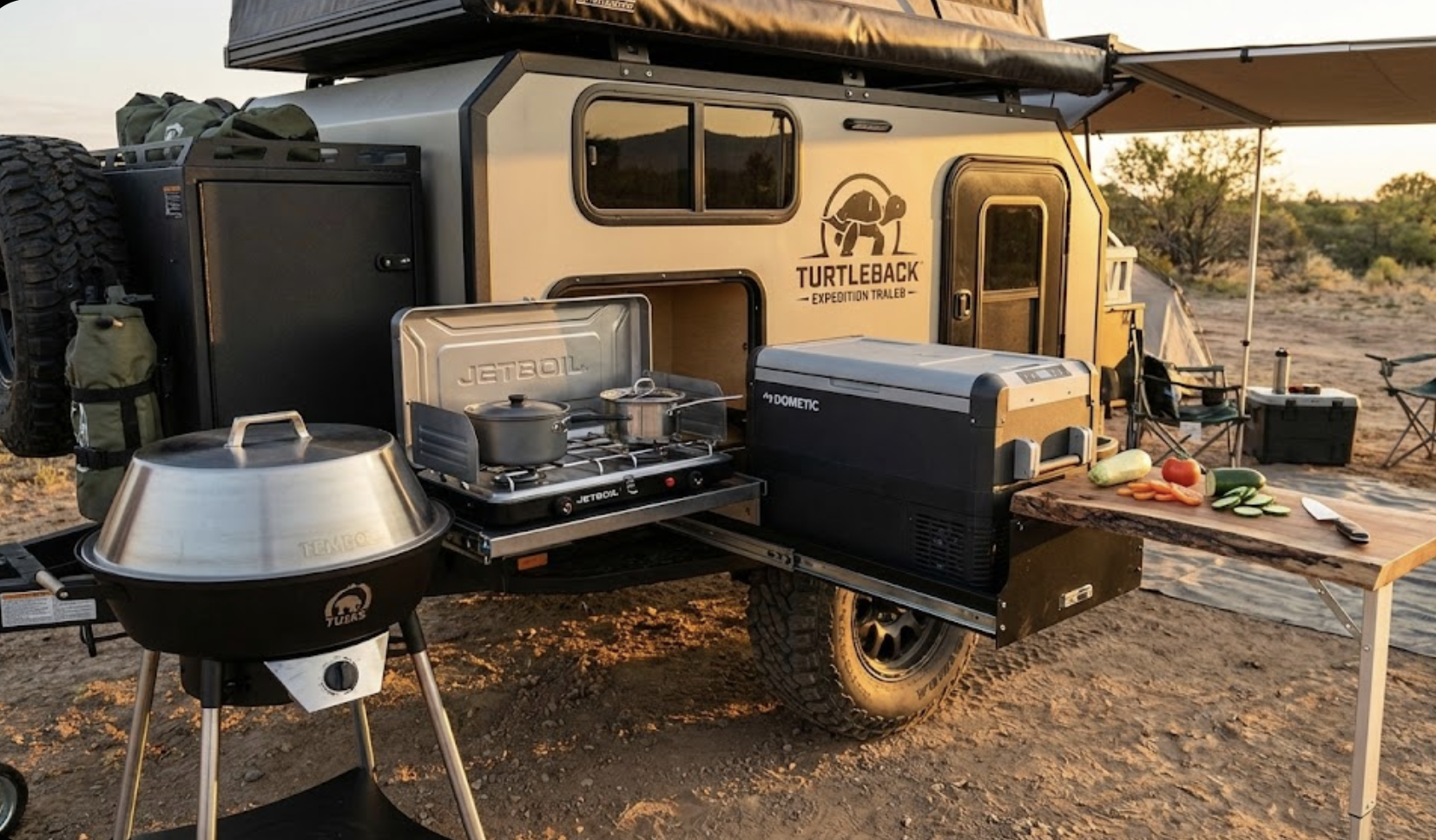
This is the world of the modern overland kitchen. It is a world where "roughing it" involves a Dometic 12V Fridge and a spice collection that rivals a Parisian bistro. It is absurd. It is expensive. It is heavy. But god help me, it smells delicious.
The Gear: Heavy Metal
Unlike the minimalist, whose gear fits in a cup, the maximalist’s gear is the vehicle.
The Fridge: The centerpiece of the operation. Gone is the soggy cooler with floating hot dogs. In its place is a dual-zone fridge capable of keeping arugula crisp and IPAs at a precise 37 degrees. It hums with the sound of pure luxury.
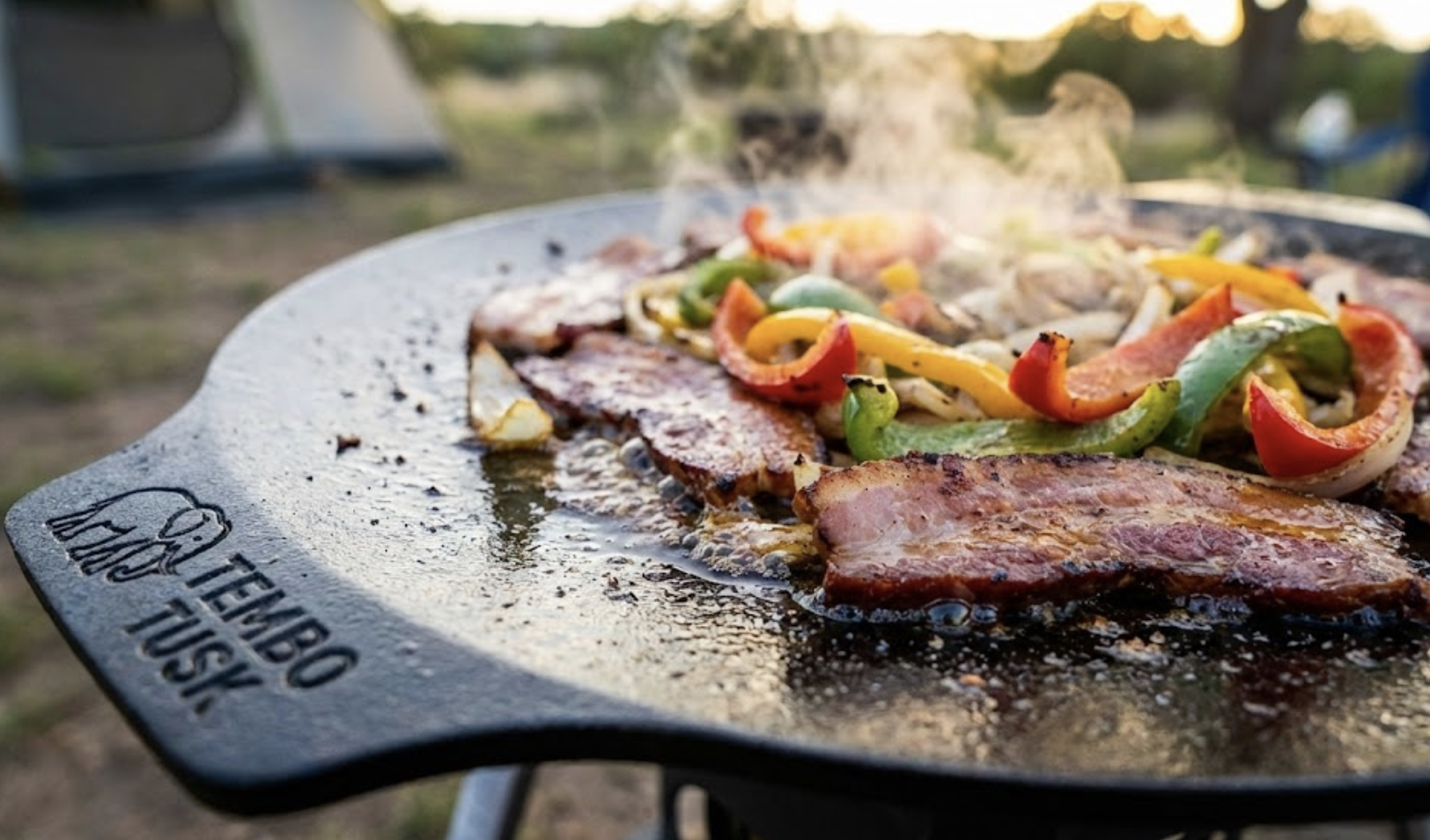
The Skottle: The Tembo Tusk Skottle has become the altar of the overland community. It is essentially a plow disc mounted on legs, but in the hands of a believer, it is a Hibachi grill for the forest. It is heavy, awkward to pack, and absolutely fantastic for cooking fajitas for six people.
The Slide-Out Kitchen: Why put your stove on a table when you can spend $2,000 on a drawer system that slides out of your tailgate on ball bearings smoother than a Swiss watch? It’s arguably unnecessary, but there is a tactile satisfaction to it that cannot be denied. Check out Hooke Road’s slide out drawer system. Its not enough to break the bank butgives you more cooking space than you’ll need for a feast.
The Menu: Gluttony in the Wild
While the hiker is eating rehydrated sadness, the maximalist is plating up.
The Ribeye: This is the standard unit of measurement for the overland chef. Seared in cast iron or on the Skottle, basted with rosemary and butter. When the guy with the Skottle offers you a slice while you are holding a lukewarm hotdog, your moral superiority evaporates instantly.
The Espresso: No instant powder here. We are talking about Aeropresses, Moka Pots, or even 12V espresso machines. Because apparently, watching the sunrise isn't enough; you need to be vibrating while you do it.
The "Pantry": This isn't a bag of trail mix. It's a drawer system stocked with balsamic glaze, truffle oil, and three types of hot sauce.
The Verdict
But when the smoke clears, we have to ask: Is it too much?
There is a distinct madness in dragging a kitchen sink (sometimes literally) to a remote plateau. You spend as much time setting up and breaking down camp as you do enjoying it. You aren't just camping; you are managing logistics.
However, when the wind dies down and you are slicing into a medium-rare steak miles from civilization, you realize that maybe, just maybe, they are onto something. The question is: Is the steak worth the weight?
The Re-Entry: The Great Equalizer
There is a specific kind of silence that happens on Sunday afternoon, usually around 2:00 PM.
You have packed the gear. You have folded the $5,000 rooftop tent or rolled up the $20 wool blanket. You have cursed the mud on your boots and played Tetris with the cargo space. And then, you turn the key.
The tires hit the asphalt. The suspension stiffens. The hum of the highway replaces the rustle of the wind.
This is the great equalizer. It doesn’t matter if you spent the weekend surviving on berries and moss or if you sous-vided a rack of lamb on a Skottle. On the drive home, we are all the same. We are all sun-burnt. We all smell like a mixture of woodsmoke, old sweat, and deet. We are all exhausted in that deep, bone-weary way that feels like a drug.
And we are all thinking the exact same thing.
We aren't thinking about the majesty of the mountains. We aren't contemplating the fragility of our ecosystem.
We are thinking about a cheeseburger. A greasy, processed, commercially made cheeseburger from a drive-thru window.
The Dirty Secret of the Outdoors
That is the dirty secret of the outdoors. You go out there to escape consumerism, to reconnect with the primal, to find your soul. But the second you hit civilization, the high-minded philosophy evaporates, and you are just a dirty animal who wants air conditioning and a fountain soda.
The minimalist in the Honda Civic and the overlander in the EarthRoamer will inevitably meet at the same gas station off the interstate. They will nod at each other, eyes red from the smoke, buying the same bag of chips, dreading the same Monday morning emails.
And in that moment, under the fluorescent hum of the gas station lights, you realize why we do it.
We don't go into the woods to live there. We go there to remember how good it feels to come back. We freeze so we can appreciate the heat. We eat simply so we can appreciate the excess. We disconnect so we can feel the jolt of plugging back in.
The gear doesn’t matter. The budget doesn’t matter. The only thing that matters is that for forty-eight hours, you were somewhere else. And now, you’re home.
Shower. Beer. Sleep.
Read “In Between Side Quests” to fit between the 9-5 and zoom calls.
Until next weekend.
What is your post-trip ritual?
Are you a "drive-thru cheeseburger" person, or do you have a different tradition when you hit the pavement? Does the gear actually make the trip better, or are we just carrying extra weight?
Drop a comment below. I read all of them (usually while eating cold leftover pizza).