Stop Buying Gear. Start Grading Your Skills: The 2026 Overland Readiness Audit
It’s January 1st. The champagne is flat, the confetti is already being swept into the gutter, and the gym parking lots are full of people who won’t be there in three weeks. It is the season of high hopes, low follow-through, and the relentless, deafening noise of "New Year, New Me."
Right now, the algorithm in your pocket is screaming at you to buy things. It’s peddling the comfortable lie that a $4,000 suspension upgrade or a shiny new roof rack will suddenly turn you into an explorer. It won't. It will just make you a commuter with worse gas mileage and a lighter wallet.
Here is the cold reality the industry doesn't want to sell you:
Your gear is fine. It’s your skills that are rusty.
The wilderness doesn’t care about your brand partnerships or how clean your rig looks on Instagram. It cares if you can solve a problem when the sun goes down, the temperature drops, and the plan falls apart.
So, before you click "checkout" on that new winch, let’s see if you actually deserve to be out there. Below is the audit. Five questions. No grading on a curve. No participation trophies. Be honest—if you have to lie to yourself to pass, you’ve already lost. If you fail a point, click the link, read the guide, and do the work.
Tally your score. Let’s see what you’re actually made of.
The "Dead Man's Switch"
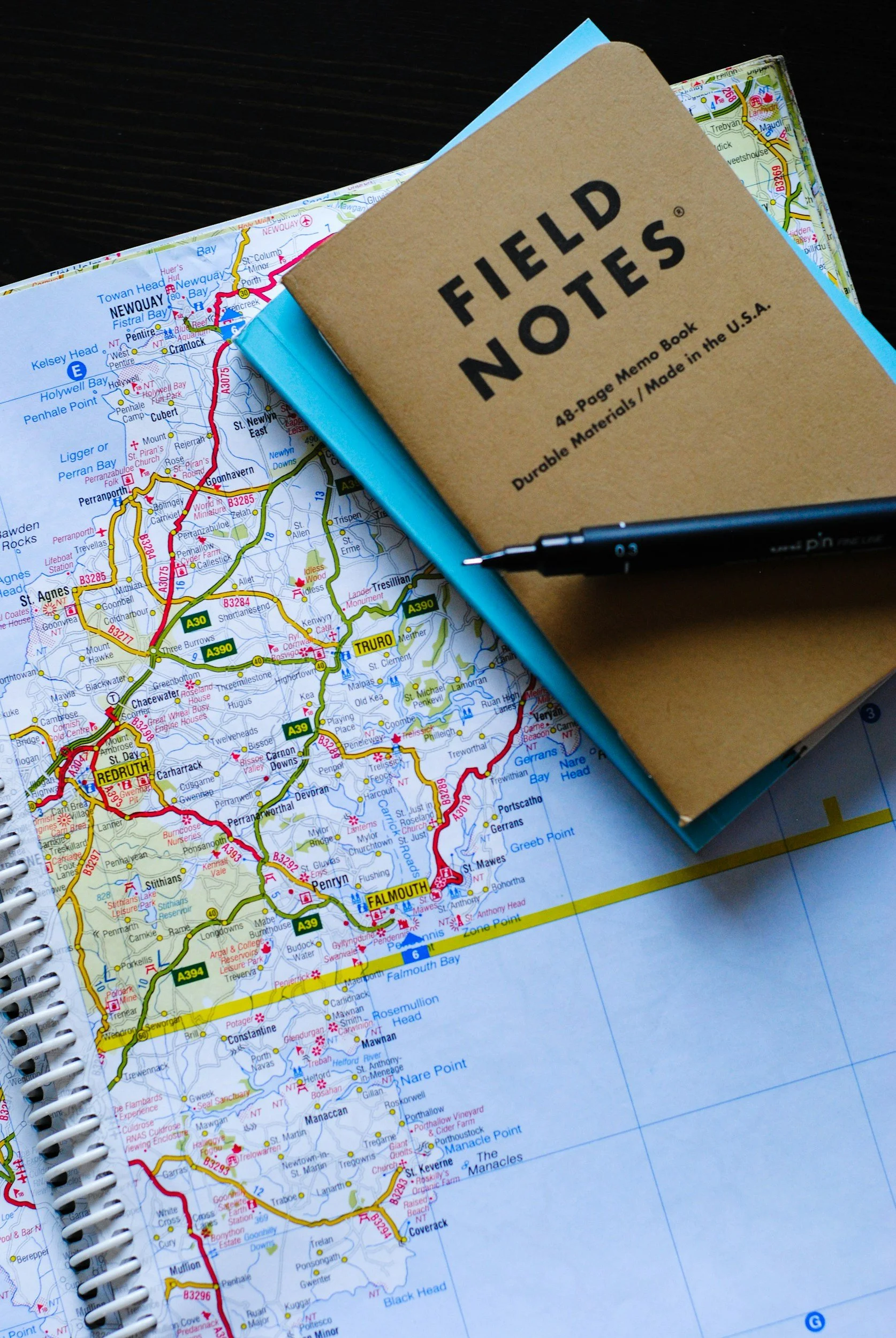
The Question: Do you have a written, specific panic plan shared with a contact back home?
The Reality Check: We all love the romance of "getting lost." It sounds poetic until you are three days overdue, your femur is snapped, and the only information you left behind was a vague text to your partner that said, "Heading to the mountains, love you."
That isn't a plan. That is a condolence card waiting to happen.
When the signal dies and the truck stops moving, hope is not a strategy. Search and Rescue doesn't need your "vibes"; they need coordinates, timestamps, and a vehicle description. If you cannot produce the piece of paper (or digital file) that tells a third party exactly when to panic and exactly where to look, you fail.
The Fix: Stop relying on luck. Download the template, fill it out, and send it before you turn the key. Read: Don't Go Off-Grid Alone
The Art of the Strategic Pause
The Question: Can you sit still for 10 minutes when disaster strikes?
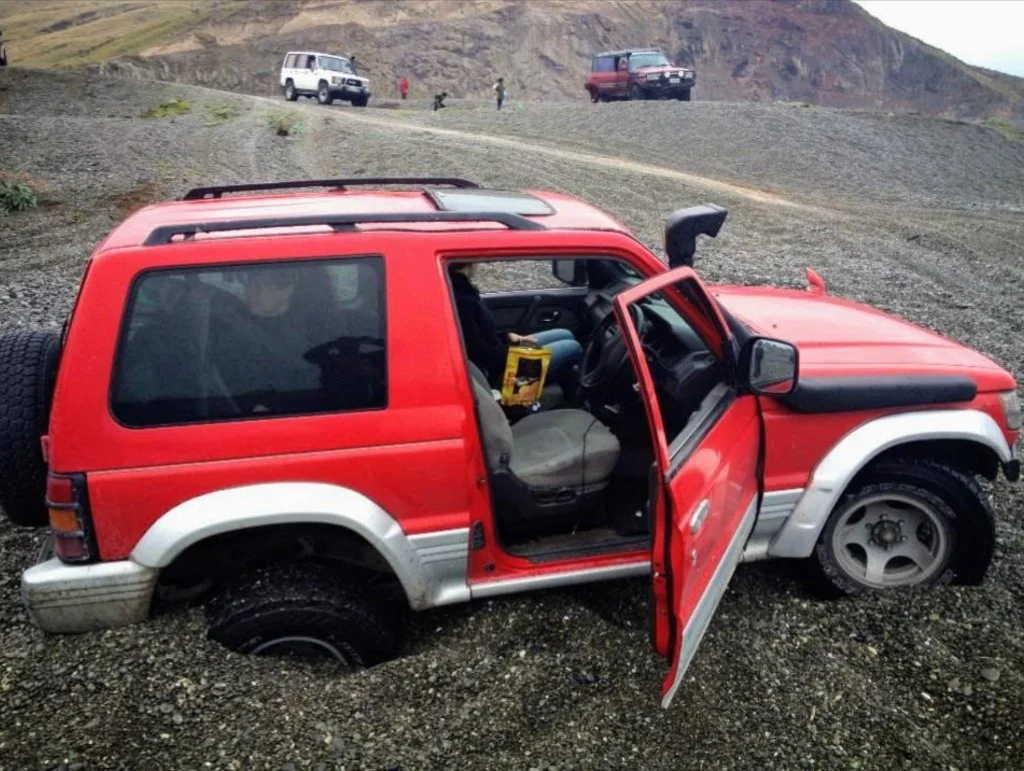
The Reality Check: Here is a scenario: You are bog-deep in mud. The diff is dragging, the wheels are spinning, and that sickening smell of burning clutch is wafting into the cabin.
Your instinct—that primal, lizard-brain reaction—is to do something. Right now. You want to floor it. You want to jump out and start yanking winch line. You want to be the hero who fixes it in thirty seconds.
Suppress that urge. It is going to get you hurt.
The most dangerous component in your recovery kit isn't the snatch block or the kinetic rope; it is your own impatience. I have seen more trucks broken by panic than by the trail itself. If your first move isn't to shut off the engine, get out, and brew a cup of coffee while you stare at the problem, you aren't ready. The mud isn't going anywhere. Neither are you.
The Fix: Stop flailing. Learn to master the silence before you reach for the gear. Read: The Most Important Skill Has Nothing to Do With Gear
The Soft Sand Tax
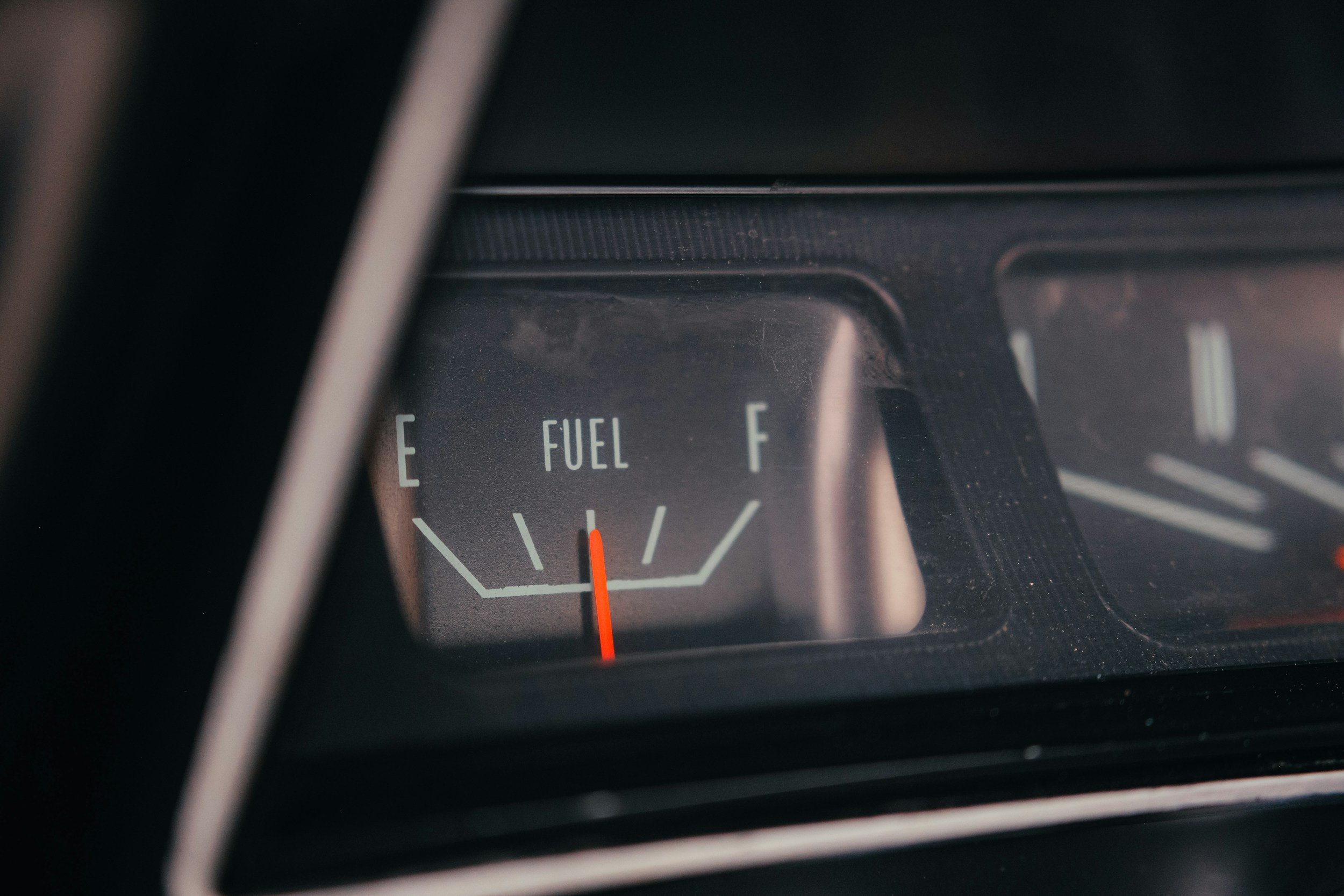
The Question: Do you know your rig's "Soft Sand MPG"?
The Reality Check: Your dashboard is a liar. It’s an optimist. It calculates your range based on highway miles, tailwinds, and smooth asphalt. It has no idea what you are about to do to it.
Once you air down to 15 PSI and point that nose into a wash, the rules of physics change. You aren't driving anymore; you are plowing. The terrain collects a tax on every revolution of the tire. We call it the "Soft Sand Penalty," and it can slash your efficiency by 30% or more instantly.
If you are planning your fuel stops based on what the brochure said your truck gets on the highway, you are gambling. And the house—the desert—always wins. There is nothing quite as lonely as a dry fuel tank (or a dead battery) twenty miles from the nearest pavement because you didn't do the math.
The Fix: Stop guessing. Learn how to calculate the real cost of moving heavy metal through dirt. Read: Sparks, Gas, and Dirt
The Friday Night Friction Test
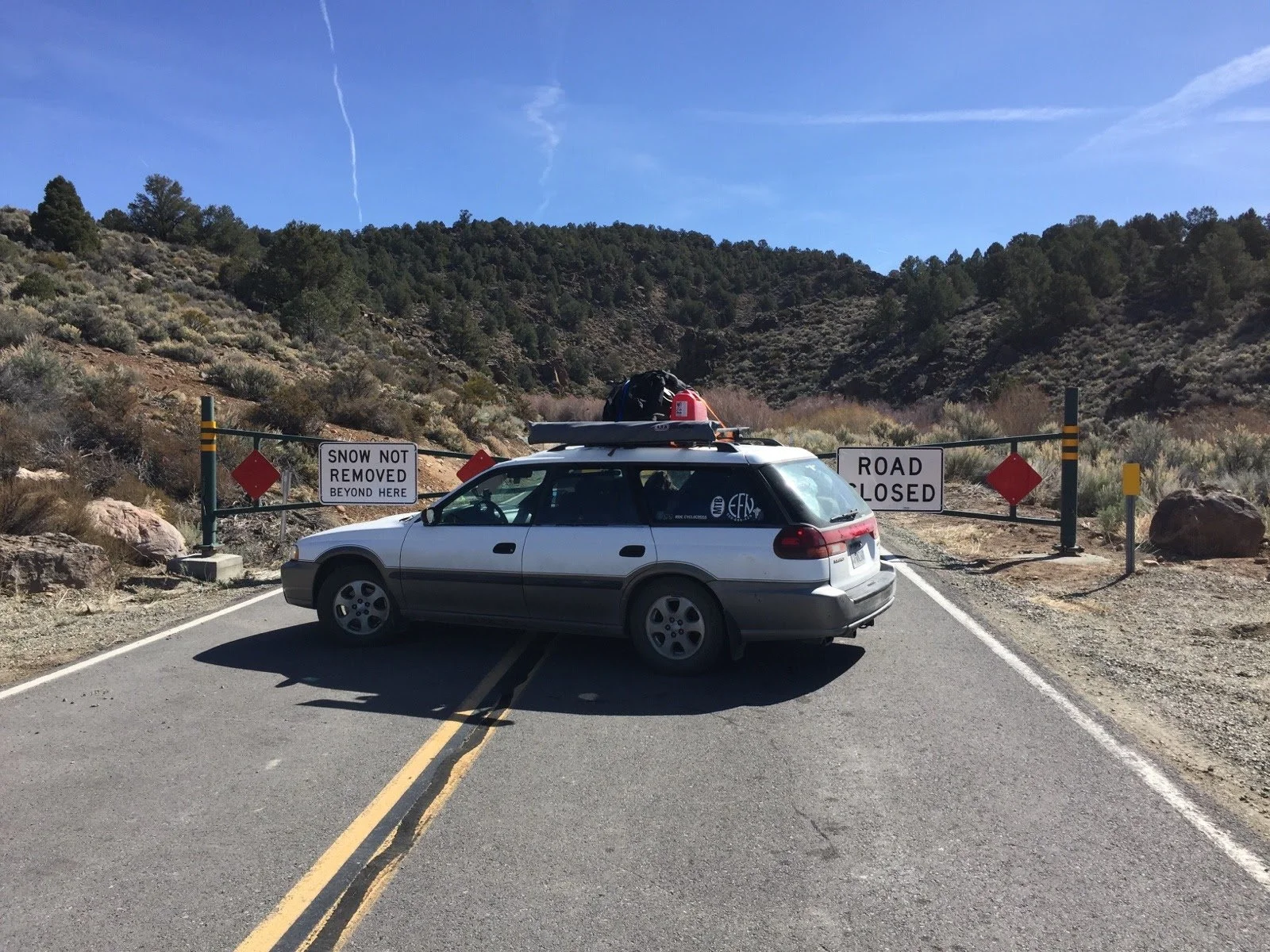
The Question: Can you be packed and rolling in under 60 minutes?
The Reality Check: If leaving your driveway feels like a military relocation operation, you have already failed.
I know the drill. It’s Friday at 5:00 PM. You’re tired. You want to get out, but the mental load of assembling four plastic totes, a roof bag, and a complicated kitchen setup is paralyzing. So you order takeout and stay home.
Friction is the enemy of adventure. The more "stuff" you have to organize, the less likely you are to actually use it. The true mark of a seasoned traveler isn't the complexity of their loadout; it’s the simplicity. You need a system so lean and so dialed that you can decide to leave at 5:00 and be on the highway by 6:00.
If you are spending your Friday night packing instead of driving, you aren't an overlander. You're a warehouse manager.
The Fix: Cut the bloat. Adopt the "One Bin" rule and get your life back. Read: The Weekend Warrior's Packing List
The Co-Pilot's Bill of Rights
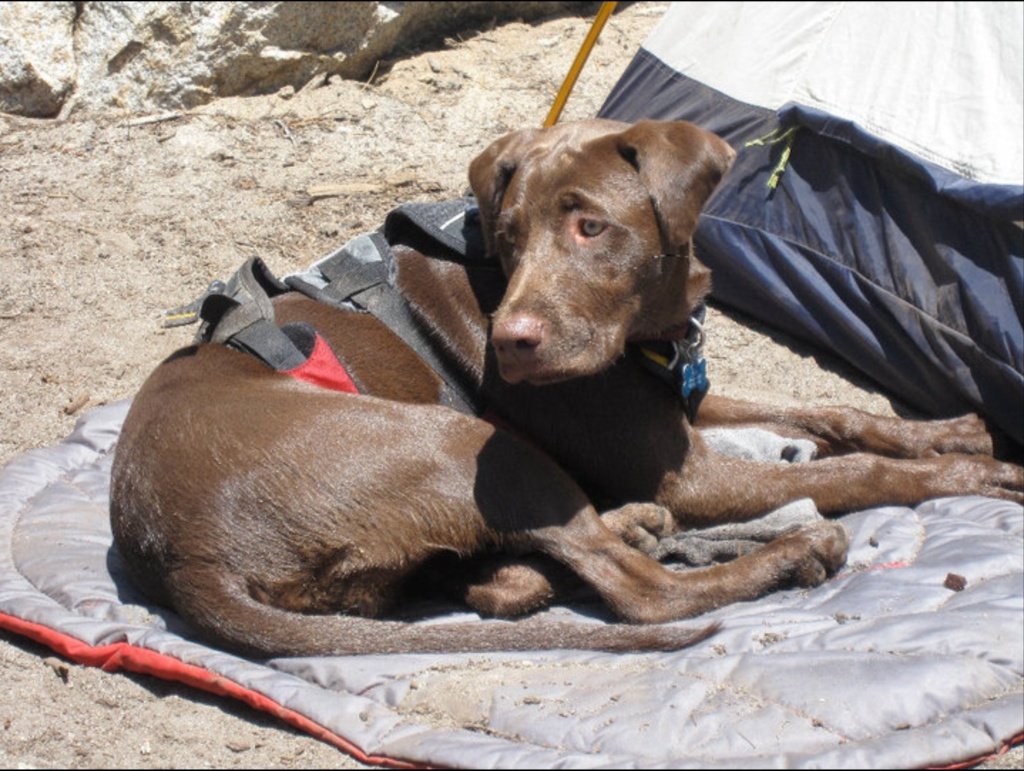
The Question: Is your dog actually safe, or just a passenger?
The Reality Check: We love the imagery—the loyal hound leaning out the window, ears flapping in the desert wind. It’s the ultimate overland accessory. But the trail is a hell of a lot harder on paws than it is on your Vibram soles.
If your "canine first aid kit" is just a handful of extra gauze and some hope, you are failing your best friend. A dog in the backcountry is an athlete in a high-risk environment. They face heat exhaustion, jagged shale, and parasites that don't care how many followers your dog has on social media.
Being a responsible owner doesn't mean bringing them along for the photo op; it means having the specific gear—the styptic powder, the tick keys, the paw wax—and the knowledge to use it when they get sidelined. If you aren't prepared for their worst day, you don't deserve their best.
The Fix: Stop treating your dog like luggage. Build a kit that actually matters. Read: The Dirtbag's Dog: A Realist's Guide
The Final Tally: What Now?
So, how did you score?
If you managed a 5/5, congratulations. You are officially ready for the zombie apocalypse, a sudden gear failure in the middle of a wash, or just a messy Tuesday afternoon in the mud. You have the discipline to match the machine.
If you scored anything lower—if you’re sitting there with a 2 or a 3 while staring at a $50,000 rig in your driveway—take a breath. Your New Year's "resolution" isn't to go out and buy a more expensive tent or a heavier bumper. Your resolution is to go back to the top of this page, click the links you missed, and actually read.
Learn the math. Practice the pause. Build the plan.
Overlanding isn't about the destination; it’s about having the competence to survive the journey there and back without needing someone else to bail you out. 2026 is the year we stop being tourists in our own rigs.
Go do the work. I’ll see you on the trail.
✅ The Tally: No lies, no excuses. Post your score in the comments below. If you hit a 5/5, I want to hear about the trip that taught you that lesson. If you're sitting at a 0, tell us which guide you're reading first. 👇